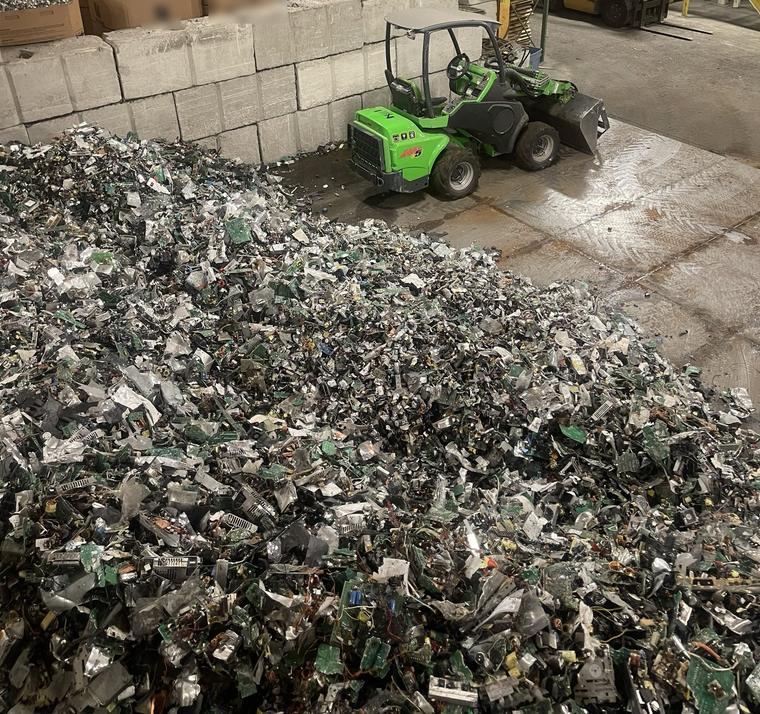
Who may take them
In Canada, a person may only examine, possess or transfer controlled goods if they are registered with the Controlled Goods Program or exempt from registration. That applies to a recycler or a destruction company the same way it applies to you.
So the first question for any disposal is simple: is the company that will hold your controlled goods registered? Ask for a copy of its registration certificate, and note the date it is valid to.
What your records must show
Section 10 of the Controlled Goods Regulations (SOR/2001-32) sets out the conditions of registration. Among them, a registered person must keep records of the controlled goods it receives, the controlled goods it transfers, and the controlled goods it disposes of.
For a disposal, the record has to include a description of the manner and the date of disposition. For a transfer, it has to include the date and the identity and address of the person the goods went to. These records are kept for the period of registration and for 5 years after it ends.
Where it is destroyed matters
Destruction inside Canada, by a registered company, keeps the disposal inside the program you already work under. Sending controlled goods out of the country is an export, and that is a different set of rules and permits.
If something goes wrong
The regulations also require a registered person to report an actual or potential security breach involving controlled goods to the program within 3 days. If a shipment for destruction goes missing or arrives short, your Designated Official needs to know the same day.